

Orthognathic (Corrective) Jaw Surgery
Everything You Need to Know About Jaw Surgery: A Comprehensive Guide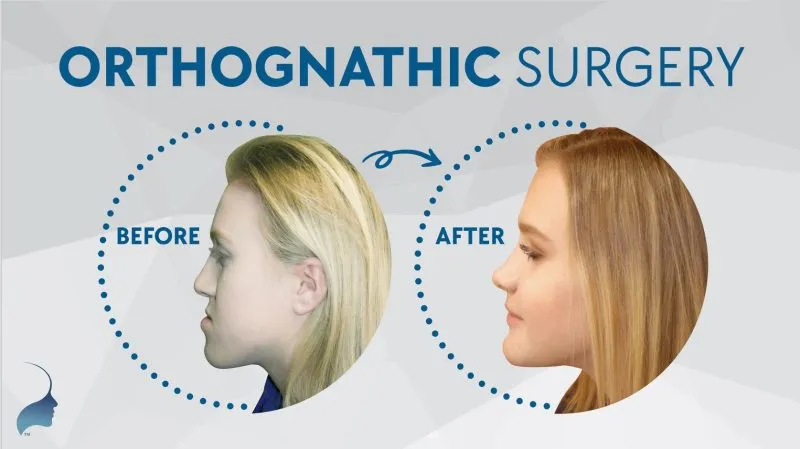
Jaw surgery, also known as orthognathic surgery, is a medical procedure that involves correcting irregularities of the jaw and face. It can be performed to treat functional issues such as bite problems or to improve aesthetics. If you’re considering jaw surgery, you probably have many questions about the procedure, recovery, and long-term results. Here’s a detailed guide to help you understand everything you need to know about jaw surgery.
1. What is Jaw Surgery?
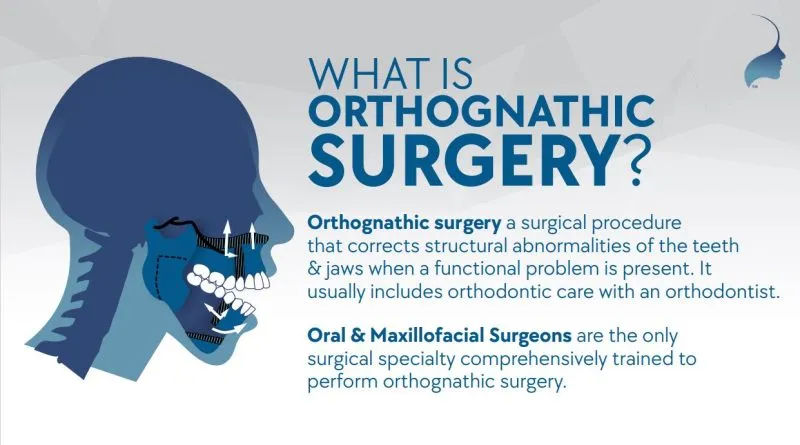
Jaw surgery is a surgical procedure used to correct structural issues with the jaw and facial bones. These issues may be congenital, due to trauma, or develop over time. The most common reasons for jaw surgery include:
- Improper bite alignment (malocclusion) — where the teeth or jaws don’t line up properly, causing difficulty in chewing, speaking, or even breathing.
- Facial asymmetry — when one side of the face is noticeably different from the other, leading to cosmetic concerns.
- Temporomandibular joint (TMJ) disorders — affecting the joint that connects the jaw to the skull.
- Sleep apnea — severe cases may require surgery to reposition the jaw to clear the airway.
- Cosmetic enhancement — improving facial appearance by reshaping the jawline
2. Types of Jaw Surgery
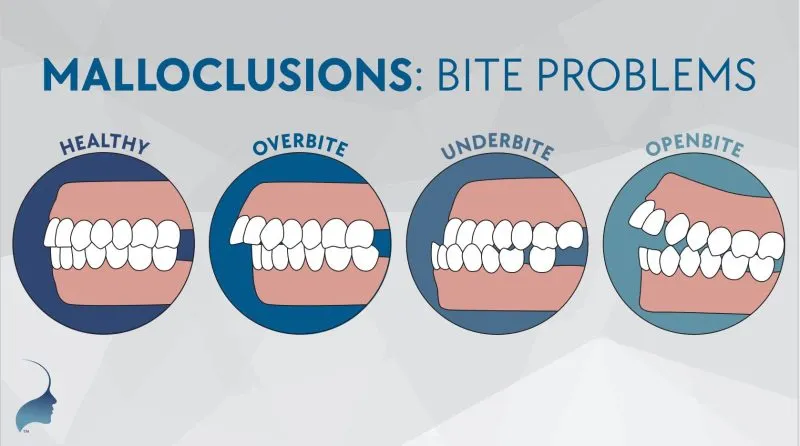
There are various types of jaw surgery, and your surgeon will determine which one is most appropriate based on your specific needs. The main procedures include:
- Upper Jaw Surgery (Maxillary Osteotomy): Repositioning the upper jaw to improve alignment or facial balance.
- Lower Jaw Surgery (Mandibular Osteotomy): Shifting the lower jaw to address bite issues or improve symmetry.
- Bimaxillary Surgery: Both the upper and lower jaws are repositioned in more complex cases.
- Genioplasty: In some cases, chin surgery (genioplasty) is performed in combination with jaw surgery to enhance facial appearance.
3. When is Jaw Surgery Necessary?
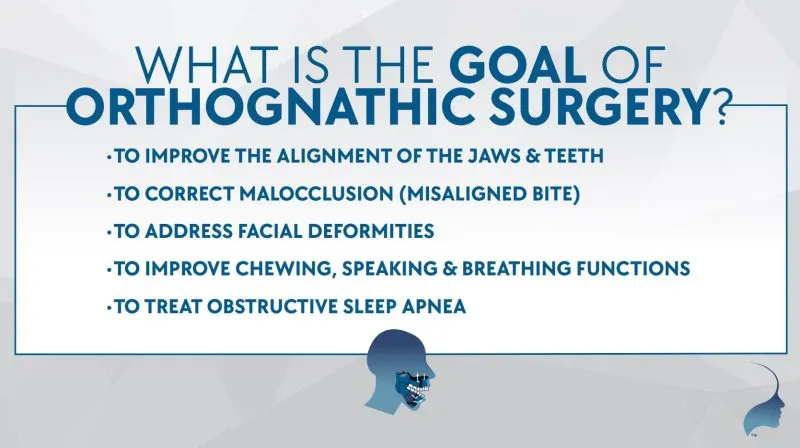 While some jaw problems can be addressed with orthodontics alone, surgery is often required when the issue is severe or functional. Jaw surgery is typically recommended when:
- Orthodontic treatments like braces or retainers aren’t enough to correct the problem.
- There’s significant difficulty in chewing, speaking, or breathing.
- There’s discomfort or pain in the jaw or surrounding areas.
- The facial appearance is a concern, especially if there’s noticeable asymmetry.
4. What Can You Expect Before Surgery?
Before undergoing jaw surgery, patients usually go through a series of steps:
- Consultation: A detailed consultation with our oral surgeons or orthodontist is necessary to evaluate your condition, medical history, and goals.
- Pre-surgery Orthodontics: Most patients need to wear braces or aligners for several months (sometimes up to a year) before surgery to ensure the teeth are in the best position for surgery.
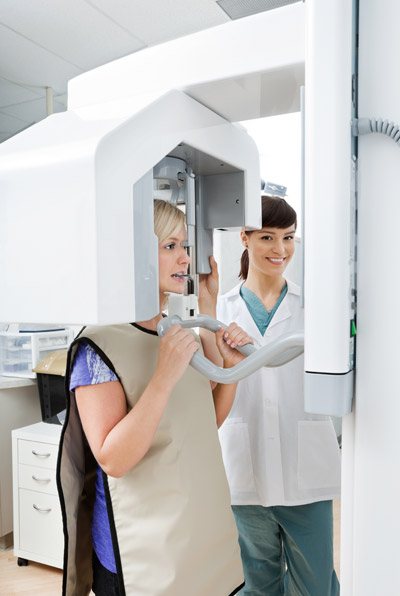
- Imaging & Planning: X-rays, CT scans, and other imaging techniques are used to precisely plan the surgery.
- Preparing for Surgery: You may be advised to follow certain pre-surgery instructions, including fasting or adjusting medications.
5. The Surgery Procedure
Jaw surgery is typically performed under general anesthesia and can last between 2 to 4 hours, depending on the complexity of the case. During the procedure:
- Incisions are made inside the mouth to avoid visible scarring.
- The surgeon will reposition the jaw, reshaping the bones if necessary.
- In some cases, metal plates and screws are used to secure the jaw in place.
6. Recovery After Jaw Surgery
Recovery from jaw surgery can vary depending on the individual and the complexity of the procedure, but most people experience some swelling and discomfort initially. Key recovery points include:
- Hospital Stay: Typically, patients are required to stay in the hospital for 1–2 days after surgery for monitoring.
- Swelling & Bruising: Swelling and bruising are common, especially around the jaw and cheeks, and may take several weeks to subside.
- Dietary Restrictions: You will be on a soft-food or liquid diet for several weeks. As you heal, you can gradually transition to more solid foods.
- Pain Management: Your doctor will prescribe pain medications to help manage any discomfort during the recovery period.
- Orthodontic Follow-Up: After surgery, you’ll need continued orthodontic care to ensure the final alignment of your teeth and jaw.
- Healing Time: Full recovery can take several months, and it may take up to a year for complete results to become apparent as swelling continues to reduce and bone healing occurs.
7. Risks and Complications
Like any surgery, jaw surgery does come with some risks, though complications are relatively rare. Possible risks include:
- Infection
- Nerve damage leading to numbness or tingling (usually temporary)
- Blood clots or excessive bleeding
- Relapse of the jaw to its previous position
Your surgeon will go over these risks in detail and will take steps to minimize complications during the procedure.
8. How Long Will the Results Last?
Jaw surgery results are generally long-lasting, especially when combined with post-surgery orthodontic treatment. Many patients experience permanent improvements in both function and appearance. The alignment of the teeth and jaw is expected to stabilize after a few months, providing lasting results.
9. Is Jaw Surgery Worth It?
One of the biggest questions people ask is whether jaw surgery is worth the investment of time, money, and effort. While jaw surgery requires a significant commitment, the benefits can be life-changing:
- Improved Function: Many patients experience better chewing, speaking, and breathing abilities.
- Aesthetic Enhancement: Jaw surgery can create a more balanced, harmonious facial appearance.
- Long-Term Health Benefits: It may prevent future dental problems, joint issues, and sleep disturbances.
- Increased Confidence: Many patients report a boost in self-esteem after seeing the improvements in their facial features.
10. Cost of Jaw Surgery
The cost of jaw surgery can vary depending on the complexity of the procedure and whether insurance will cover part of the cost. On average, the cost can range from $20,000 to $40,000. However, many insurance plans will cover jaw surgery if it is deemed medically necessary, especially for functional issues such as sleep apnea or severe bite problems.
Final Thoughts
Jaw surgery can be a transformative experience, providing both functional and aesthetic benefits. If you are considering the procedure, it’s essential to consult with an experienced oral surgeon or orthodontist who can guide you through the process and help you set realistic expectations. With careful planning, patience during recovery, and a well-managed post-surgery care plan, jaw surgery can significantly enhance your quality of life.
If you’re unsure whether jaw surgery is the right solution for you, speak with our oral surgeons to discuss your options and any concerns you may have.
What to Expect
- Corrective jaw surgery is a significant intervention requiring many months of preparation.
- The surgery is performed in the hospital and can last between one to four hours.
- Hospital stays of one to three days are normal.
- Braces are maintained during surgery and may need to be removed six to twelve months after surgery.
- The greatest impact of orthognathic surgery is the recovery phase.
- Patients typically may be off work/school from two weeks to one month after surgery.
- Return to normal chewing function may take 2 months and full
function may take one year. - Our goal is to ensure you are well taken care of during and after surgery.
- Weekly appointments are required for up to two months after surgery.