

Sinus Lift Surgery: Why You May Need One & How It Helps Prepare for Dental Implants
If you’ve been told you don’t have enough bone in your upper jaw for dental implants, a sinus lift—also called sinus augmentation—may be the solution. This specialized procedure gently raises the sinus floor and restores lost bone, creating a strong foundation for secure, long-lasting dental implants.
Why Someone Might Need a Sinus Lift
Many patients are surprised to learn they need a sinus lift, but it’s very common. You may require this procedure if:
1. Your upper back teeth were removed years ago
When molars and premolars are missing for a long time, the jawbone naturally shrinks (resorbs). The sinus cavity also expands downward. This combination can leave too little bone to hold an implant securely.
2. You naturally have large sinuses or thin bone
Some people are simply born with a thinner upper jawbone or a larger sinus space, making implants impossible without added support.
3. Gum disease caused bone loss
Advanced periodontal disease can significantly reduce the amount of bone available, especially in the upper jaw.
4. Trauma or infection damaged the jawbone
Injuries, cysts, or infections can create defects that require bone restoration before implants are placed.
5. You want dental implants but were told you’re “not a candidate”
A sinus lift often turns a “no” into a “yes” by rebuilding the bone you need for a stable, long-lasting implant.
What Exactly Is a Sinus Lift?
A sinus lift increases the amount of bone in the upper jaw by gently lifting the sinus membrane and placing bone graft material beneath it. Over time, this graft forms strong, healthy bone—giving your oral surgeon enough height and thickness to place dental implants safely.
How a Sinus Lift Procedure Works
Your oral surgeon will recommend one of two main techniques depending on how much bone you need:
Lateral Window Sinus Lift
Used when bone height is very limited.
A small window is created on the side of the upper jaw, the sinus membrane is lifted, and bone graft material is placed beneath it.
Crestal (Internal) Sinus Lift
Used when only a few millimeters of bone height are needed.
The sinus floor is gently elevated through the same area where the implant will be placed.
Bone Graft Options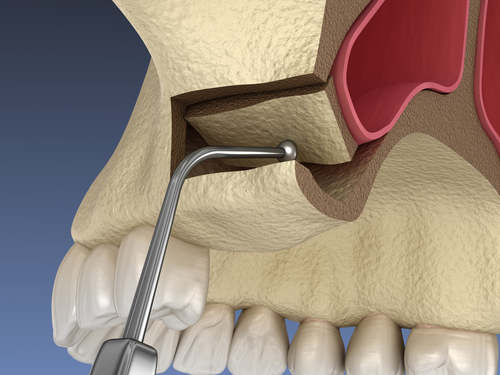
Graft material may come from:
-
Your own bone
-
Donor bone
-
Processed bone from a tissue bank
-
Synthetic bone substitutes
Your surgeon will choose the best type based on your treatment plan.
Healing & Implant Timeline
Most patients need 4–6 months for the bone to integrate and strengthen before dental implants are placed.
In some cases, if enough natural bone remains, implants can be placed during the same appointment as the sinus lift.
Benefits of a Sinus Lift
A sinus lift helps:
-
Make dental implants possible when they otherwise wouldn’t be
-
Restore proper bone height and volume
-
Improve long-term implant stability
-
Protect the sinus cavity
-
Support a natural-looking, fully functional smile
Frequently Asked Questions
Is a sinus lift painful?
Most patients feel pressure rather than pain during the procedure. Discomfort afterward is usually mild and well-controlled with medication.
How long is the recovery?
Soft tissue healing takes about 1–2 weeks. Bone graft healing takes several months.
Will I be able to breathe normally?
Yes. The procedure does not affect your breathing or sinus function.
Can the sinus membrane tear?
It can, but experienced surgeons repair it immediately, and the graft heals normally in most cases.
Is a sinus lift worth it?
If you want dental implants but lack bone in the upper jaw, a sinus lift is often the only predictable way to achieve long-term success.
Ready to Find Out if You Need a Sinus Lift?
A consultation with an experienced oral & maxillofacial surgeon will help determine:
-
Whether you need a sinus lift
-
How much bone height is missing
-
Whether you qualify for same-day implant placement